In an industry where regulations that constantly change and unpredictable delays lie around every corner, freight forwarding can be an essential but daunting part of any company's growth.
In an industry where regulations that constantly change and unpredictable delays lie around every corner, freight forwarding can be an essential but daunting part of any company’s growth. With complicated customs requirements and borders, let alone trying to find the balance between cost and efficiency, moving your cargo can become a burden and handled incorrectly, can cause problems with supply chains.
Freight forwarders act as the strategists in the middle and take a large amount of work off a company’s hands simply by managing their national or international cargo shipments. With expert advice, access to the best global carrier networks, and specialist administrative support, freight forwarders are the key to moving your cargo on time and within budget.
In this blog, we’re breaking it down to answer your questions: what is a freight forwarder, and how do their services work? Keep reading to find out whether a freight forwarder could be the solution you need for shipping your goods.
What is a freight forwarder?
A freight forwarder is a logistics expert who supports the movement of cargo between shipments, customs, and warehouses. Unlike couriers who handle smaller parcels and deliver items door-to-door, forwarders specialise in moving big bulk shipments and full container loads.
The difference between freight forwarding and haulage
Haulage refers to the specific transportation of goods by road, where cargo is carried from one point to another via lorry or truck.
Forwarding is the term used to define an entire journey. This includes multi-country clearance, legs of sea and air travel, documentation, and warehousing.
What does a freight forwarder do?
A freight forwarder carries out a broad range of different jobs and checks to ensure cargo is being moved efficiently and compliantly.
- Freight forwarders conduct shipment planning, including assessment of cargo size, weight, and urgency of delivery to select the correct shipping method.
- They optimise routes to keep expenses down by choosing the best combination of transit modes.
- They coordinate carriers by booking spaces on ships, trains, trucks and planes.
- Freight forwarders confirm compliance with local import and export laws to prevent expensive border holds.
- They manage crucial legal paperwork and documents to monitor complete compliance.
- They arrange short-term and long-term holding solutions for goods that are awaiting clearance or distribution.
- Finally, they maintain expert communication in the form of status updates and acting as the single point of contact for resolving problems with cargo.
- Freight forwarding is a complicated job that requires attention to detail and expertise to guarantee that every shipment arrives as it should.
The types of freight services available
There are several ways that goods are transported from one point to another and often, multiple modes of transport are used, particularly for international forwarding.
Air freight
This form of freight forwarding is best for higher value and time sensitive cargo, such as perishable items that have a strict arrival deadline.
Air freight offers quick transit times and it’s the form of transport where risk of damage is at its lowest. It’s very easy to predict delivery schedules with air freight, making it the ideal solution for time-critical cargo that demands speed.
Sea freight
Sea freight is best for large and heavy shipments where cost-efficiency is prioritised over the speed of the delivery. This is the most economically friendly mode of long-distance global trade.
Capable of handling huge volumes of bulky cargo, cargo ships alternatively offer the option for businesses to pay for the volume they use, making it a cost-effective choice for all different sizes of shipment.
Road freight
Road freight is the most practical choice for domestic cargo transport, along with European delivery and final-mile distribution. It provides a highly flexible door-to-door schedule and more direct routes that avoid intermediate port transfers.
Depending on your company’s needs, you can get Full Truck Load (FTL) or Less than Truck Loads (LTL) for deliveries that vary in size and even specialised tail-lift vehicles to make loading efficient and simple.
Specialist logistics service
Our specialist logistics service moves hazardous materials, machinery that requires specialist handling, and Out-of-Gauge cargo using specialised equipment and loading plans tailored to the cargo in question.
This sort of freight involves heavy-lifting operations and certified handling for dangerous goods that a standard transport network would reject. It takes careful consideration and lots of planning to move these goods.
Temperature-controlled transport
Temperature-controlled deliveries require adherence to strict time schedules in order to preserve cargo that must remain a certain temperature. Cold-chain goods forwarding usually includes some form of fresh produce, cosmetics, pharmaceuticals, or sensitive chemicals.
The aim is to prevent spoilage and maintain regulatory compliance by using refrigerated containers and other forms of temperature-maintaining equipment so that items don’t spoil or damage.
How freight forwarding saves businesses time and money
Freight forwarding benefits thousands of businesses, both nationally and internationally, each year by saving them from hours of administrative work and simplifying detailed logistics into a hassle-free delivery.
Freight forwarders take administrative burdens away from businesses by having knowledge of complicated customs laws and managing carrier contracts. A company’s goods will face fewer delays with a freight forwarder’s paperwork management and problem-solving, making sure goods aren’t sat idle at a customs port.
With their knowledge surrounding regulations and laws, freight forwarders support businesses by helping them to avoid steep fines and fees caused by missing permits or improper tax declarations.
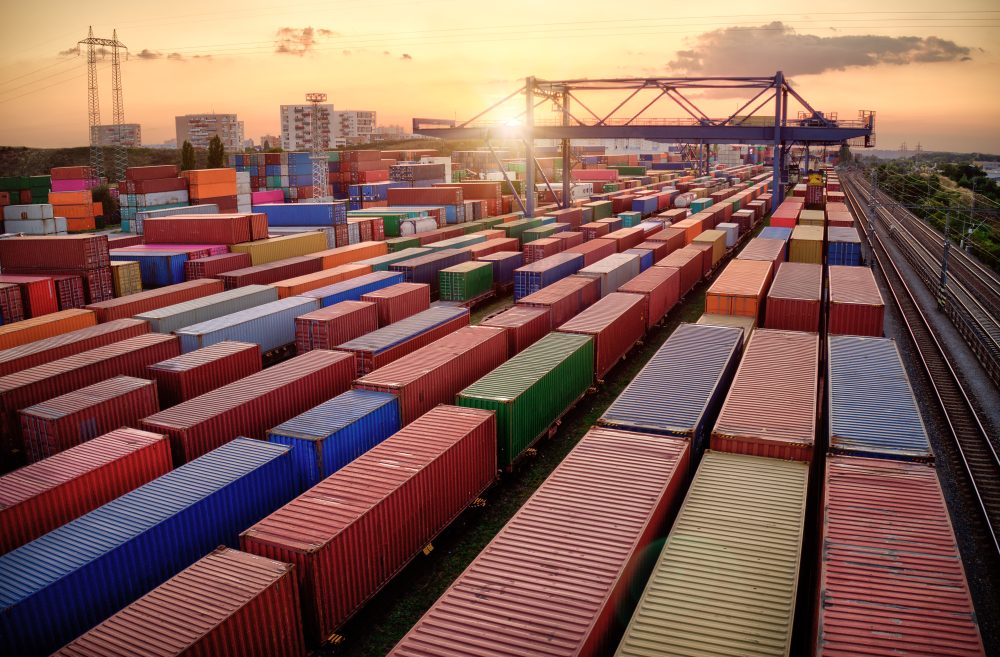
Industries that benefit from freight forwarding
There are a range of key industries that rely on specialised freight forwarding solutions to keep supply chains moving and keep up with strict demand.
Manufacturing
Manufacturing freight faces challenges with complicated global sourcing and strict production schedules. Therefore, the industry needs reliable freight forwarders who can coordinate steady and scheduled deliveries of the raw metals, plastics, and electronic components involved.
Faced with strict consequences by environmental law if things go wrong, businesses who think ahead and organise freight forwarders to safely move their cargo can save hundreds of pounds that would be otherwise spent cleaning up spills and contamination.
Retail
Due to seasonal demands and the rate at which trends come and go, freight forwarders moving retail goods have got to have precision at the forefront of every decision they make.
Securing containers and peak-season planning is essential for retail companies looking to maximise their business during holidays or special sales windows. Final-mile deliveries and guaranteed container space can be secured by freight forwarders months in advance, making sure that retail businesses have no delays when peak sales months roll around.
Food & Beverage
Perishable items with short shelf lives or strict temperature rules must be able to pass health inspection standards at international borders as well as factory checks.
As well as appropriately storing perishable items, freight forwarders can pre-clear health certificates, sign off sanitary declarations as soon as possible to get ahead and avoid port delays that lead to spoilage and waste.
Automotive
The challenge for the automotive industry is the weight and value of the cargo being moved, leaving no room for error. This is where freight forwarders become incredibly helpful for ensuring the proper handling and efficient delivery of spare parts across the globe.
Pharmaceuticals
Pharmaceuticals are classed as high-value cargo and often times, critical temperature maintenance is essential for vaccines and life-saving medicines. Through temperature logs and express lanes, this priority freight can be moved by forwarders without delay.
Why choose Universal Forwarding?
When it comes to freight forwarding, your business wants a reliable partner who knows industry regulations and can adapt to moving any cargo you need to be delivered. At Universal Forwarding, we’ve made strong global connections and trusted carrier partners so that we can reach anywhere in the world, moving your goods as efficiently as possible.
With decades of experience, we’re completely proficient in managing intricate customs paperwork, navigating complicated shipping routes, reducing admin costs, and most importantly, prevent expensive delays, no matter the cargo.
Looking to simplify your supply chain? We’ve got the industry knowledge and tailored customer service to keep your freight moving forward. Take a look at our ethos to read more on what we’re about or contact our team today to discuss your unique shipping requirements, there’s nothing we can’t move.